Evidence checked: 19 July 2026
Written by Charles Gumbley, BHSc (Clinical Nutrition), DipHSc (Western Herbal Medicine).
Supplements for gallbladder health are promoted for biliary support, digestion, gallstones and post-meal comfort. None can tell whether upper abdominal pain is biliary colic, cholecystitis, pancreatitis, reflux, an ulcer or another condition. That distinction matters because a blocked or infected biliary system needs medical care, not a cleanse.
Medical disclaimer: This article is general education, not personalised medical advice. Seek urgent medical attention for severe or persistent upper abdominal pain, pain lasting hours, fever, repeated vomiting, jaundice, dark urine, pale stool, or pain that makes normal eating or drinking difficult. Go to an emergency department if pain is so severe that you cannot get comfortable.
Clinical bottom line: No over-the-counter product has been shown to dissolve stones, open a blocked duct, treat inflammation or replace surgery when it is indicated. The useful next step depends on the diagnosis. Some people with silent stones need no treatment; symptomatic disease needs clinical review.
Gallbladder function and bile
The liver produces bile, a fluid involved in digesting and absorbing fat from food. The organ stores and concentrates it between meals, then delivers it into the small intestine through ducts when food arrives.
After a meal, the gallbladder releases bile; bile helps move fats through the digestive process. A healthy gallbladder can still contain silent stones, so feeling well does not prove there are none. Gallstone disease and gallstones are related terms, but symptoms and complications determine whether care is needed.
Gallstones are hard deposits made mainly from cholesterol or pigment. They may sit silently, but pain can occur when a stone temporarily blocks a duct. A longer blockage can lead to cholecystitis, infection of the bile ducts, jaundice or pancreatitis.[1]
This physiology is often simplified into claims about “sluggish bile” or a need to improve organ function. Symptoms such as bloating, nausea and stomach pain are not specific enough to prove low biliary output. Ultrasound, blood tests and clinical examination are used when disease is suspected.
A 2024 pooled analysis estimated a global gallstone prevalence of about 6%, with wide variation by population and detection method.[2] Epidemiology cannot identify a treatment for an individual case.
Symptoms of gallbladder disease need triage
Biliary colic often produces strong upper-right or central abdominal pain that may spread to the back or right shoulder. It can occur after a rich meal and settle when a temporary blockage moves. The fact that pain settles does not establish a harmless indigestion episode.
Healthdirect advises urgent care when gallstone pain lasts for hours, persists despite simple pain relief, or stops normal eating and drinking. Fever, sweating or shivering, jaundice, vomiting and pancreatitis-type pain are serious warning signs.[1]
Cholecystitis is gallbladder inflammation, usually caused by a stone blocking the outlet. It causes constant pain, often with nausea and fever, and requires hospital treatment. Complications can include abscess, sepsis or perforation.[3] Do not use a bile-stimulating herb, ox bile or a flush while waiting to see whether these symptoms pass.
Gallbladder cancer is uncommon and is not diagnosed from indigestion. Persistent unexplained pain, jaundice or weight loss still needs assessment, especially when symptoms change.
Gallbladder supplements: magnesium, vitamins and enzymes
Commercial formulas often combine herbs, enzymes, bile salts, magnesium or micronutrients. A plausible physiological process is not the same as a proven patient benefit.
Scroll sideways to read the full table →
| Ingredient or approach | Common claim | Evidence boundary and concern |
|---|---|---|
| Milk thistle | “Supports the liver” and bile quality | Liver research does not establish treatment for gallstones or biliary obstruction; allergy and medicine interactions matter |
| Artichoke or dandelion | Promotes healthy bile flow | Small studies cannot prove stone removal; stimulating contraction may worsen pain if a duct is blocked |
| Turmeric or curcumin | Supports biliary comfort and inflammation | No proof that it dissolves stones; concentrated products can interact with medicines and have rare liver risks |
| Magnesium | Relaxation or gallstone-prevention claims | Supplements like magnesium do not identify deficiency or treat a blocked duct; excess can cause diarrhoea and is risky with kidney disease |
| Ox bile or bile salts | Replaces bile after surgery | Routine need is not established; can cause bowel effects and obscure another cause of diarrhoea |
| Digestive enzymes | Improves fat digestion | Enzymes do not replace the gallbladder’s storage function or treat symptomatic stones |
| Choline, taurine or glycine | Improves bile quality | Biochemical roles do not establish a gallstone treatment or effective finished-product stack |
Milk thistle, artichoke and dandelion are not interchangeable, and evidence for one extract does not validate another. Certain supplements also alter medicine absorption or metabolism. A pharmacist should check prescriptions, over-the-counter medicines and herbs together.
Claims that antioxidants such as C or vitamin E protect the biliary system are mostly based on observational associations or nutrient biology. They do not show that taking them can prevent gallstones. Vitamin E can increase bleeding risk in some contexts, and a multinutrient product should not replace assessment.
Diagnosis before supplementation
Gallbladder pain is a symptom pattern, not a measure of bile quality. If there is a risk of gallbladder obstruction or infection, the priority is examination and imaging. Pain and discomfort after meals can also arise from reflux, an ulcer, functional dyspepsia, pancreatic disease or a bowel condition.
Marketing may say supplements may support gallbladder function, support liver pathways or alter the gut microbiota. These mechanisms do not establish that a product prevents complications or changes the need for surgery. No blend is universally recommended for gallbladder symptoms. Post-meal comfort is not a validated proxy for an open duct or lower complication risk.
People seeking health information may see claims that gallbladder nutrients improve gallbladder performance. Supplements provide ingredients, not imaging or a diagnosis. A product can support nutrient intake when a need is established, but it cannot show that a duct is clear. Natural health language does not change that boundary.
Talk with your doctor before experimenting if attacks recur, stones are known, pregnancy is possible or surgery has been discussed. People with liver disease, kidney disease or multiple medicines need an individual safety review. Bring every label to the appointment because combinations can hide duplicate ingredients and make adverse effects harder to trace.
Gallbladder flushes and natural remedies
A gallbladder or liver flush usually combines oil, juice and sometimes magnesium salts or herbs. The material passed afterwards may look stone-like, but Mayo Clinic explains that it can be globs formed from oil, juice and other ingredients rather than gallstones.[4]
There is no reliable evidence that a flush repairs the organ or clears stones. It can cause nausea, vomiting, diarrhoea and abdominal pain. More importantly, trying to force a stone through a duct could delay recognition of obstruction, infection or pancreatitis.
The word “detox” does not describe a measurable treatment target here. The liver already makes bile, and the gallbladder stores it. Neither olive oil nor Epsom salts can show on their own whether a bile duct is open.
Dietary fat, gallstones and prevention claims
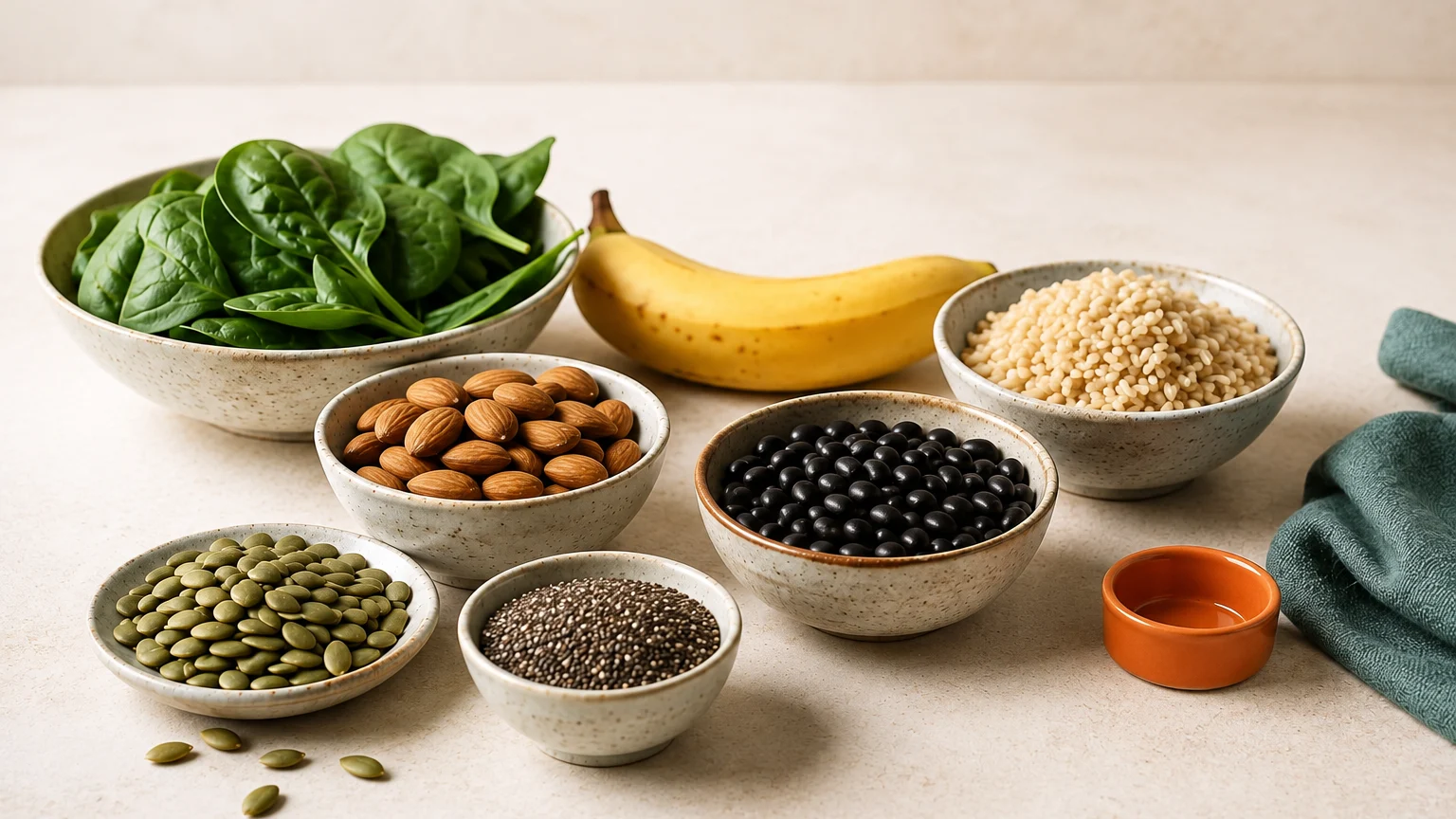
Some people notice that fried foods or very fatty foods trigger biliary pain. Avoiding a personal trigger while waiting for assessment can be practical, but a permanently restrictive diet is not automatically required. Nutrient-rich choices include nuts, seeds, avocado and fish such as salmon.
A 2024 Cochrane systematic review found that evidence for modifying dietary fat as treatment for symptomatic stones was scant.[5] The included trials were small and did not establish effects on major outcomes. This means food advice should be individualised; it does not mean that meal size or composition never affects symptoms.
For longer-term risk, Healthdirect recommends a fibre-rich pattern lower in saturated fats, regular physical activity and maintaining a healthy body weight.[3] Whole grains, legumes, vegetables and fruit can help raise fibre intake. Avoid crash diets and rapid weight loss, which can increase gallstone formation.
No food or supplement can guarantee a lower risk of gallstones. Cholesterol levels in blood are also not a direct test of cholesterol stones inside the gallbladder.
Living without a gallbladder: digestive comfort
Cholecystectomy is the operation to remove the organ. When the gallbladder is gone, the liver still makes bile; it flows more continuously through the bile duct into the small intestine. Most people can live normally without one.[6]
People who have had their gallbladder removed do not automatically need ox bile, enzyme products or fat-soluble vitamin supplements forever. Some initially prefer smaller meals or a gradual return to richer foods. A minority develop softer or more frequent stools.[6]
Persistent diarrhoea, weight loss, greasy stools, jaundice or pain needs assessment. Possible causes include bile-acid diarrhoea, retained duct stones, pancreatic problems, coeliac disease, medicine effects or an unrelated bowel condition. Treatment should follow the cause rather than a generic post-surgery bundle.
Testing nutrients A, D, E or K may be considered when there is a relevant medical reason, malabsorption or a restricted diet. Surgery alone does not prove a vitamin deficiency.
How to assess a biliary health claim
Before buying a product, ask five questions:
- What exact condition is being discussed? Silent stones, biliary colic, cholecystitis and post-surgery diarrhoea are different.
- Was the finished product studied? Ingredient biology cannot validate a multi-ingredient blend.
- Was the outcome patient-important? Pain, hospitalisation, stone recurrence and surgery matter more than an unvalidated “bile” marker.
- Could treatment be delayed? A supplement should never postpone ultrasound, blood tests or urgent care.
- What are the interaction and stop rules? Check pregnancy, liver or kidney disease, anticoagulants, diabetes medicines and planned surgery with a clinician.
In my clinic, right-upper abdominal pain is not treated as a retail decision. I first ask about duration, radiation to the shoulder or back, fever, vomiting, stool or urine colour, known stones, previous surgery and medicines. Those answers decide whether the next step is urgent care, a GP appointment or nutrition support after diagnosis.
Common questions about the biliary system
What is the best supplement for gallbladder?
There is no universal best supplement. No retail product is proven to dissolve gallstones or treat obstruction and cholecystitis. The best next step may be no treatment for silent stones, clinical investigation for symptoms, surgery for symptomatic disease, or targeted care after removal.
How to repair gallbladder naturally?
There is no validated natural repair protocol. Regular meals, adequate fibre, regular movement and avoiding rapid weight loss support general health, but they do not repair an inflamed organ or unblock a duct.
What is the best thing to take for gallbladder problems?
Do not select a medicine or supplement before identifying the problem. Prescription bile acid medicines are used only for selected cholesterol stones and under medical supervision; they are not the same as retail ox bile.[6]
What vitamin deficiency is associated with the gallbladder?
No single vitamin deficiency explains gallbladder issues. Prolonged cholestasis or malabsorption can affect fat-soluble vitamins, but this requires medical assessment. Routine replacement after removal is not automatically needed.
References
- Healthdirect Australia. Gallstones. Checked 19 July 2026.
- Wang X, et al. Global Epidemiology of Gallstones in the 21st Century: A Systematic Review and Meta-Analysis. Clinical Gastroenterology and Hepatology. 2024;22:1586–1595. doi:10.1016/j.cgh.2024.01.051. PubMed
- Healthdirect Australia. Cholecystitis. Checked 19 July 2026.
- Mayo Clinic. Gallbladder cleanse: a natural remedy for gallstones?. Checked 19 July 2026.
- Madden AM, et al. Modified dietary fat intake for treatment of gallstone disease in people of any age. Cochrane Database of Systematic Reviews. 2024;2:CD012608. doi:10.1002/14651858.CD012608.pub3. PubMed
- National Institute of Diabetes and Digestive and Kidney Diseases. Treatment for gallstones. Checked 19 July 2026; page notes it was last reviewed in 2017.
Evidence checked: 19 July 2026. General information only; it does not replace care from a GP, gastroenterologist, hepatobiliary surgeon, pharmacist or Accredited Practising Dietitian for each person.